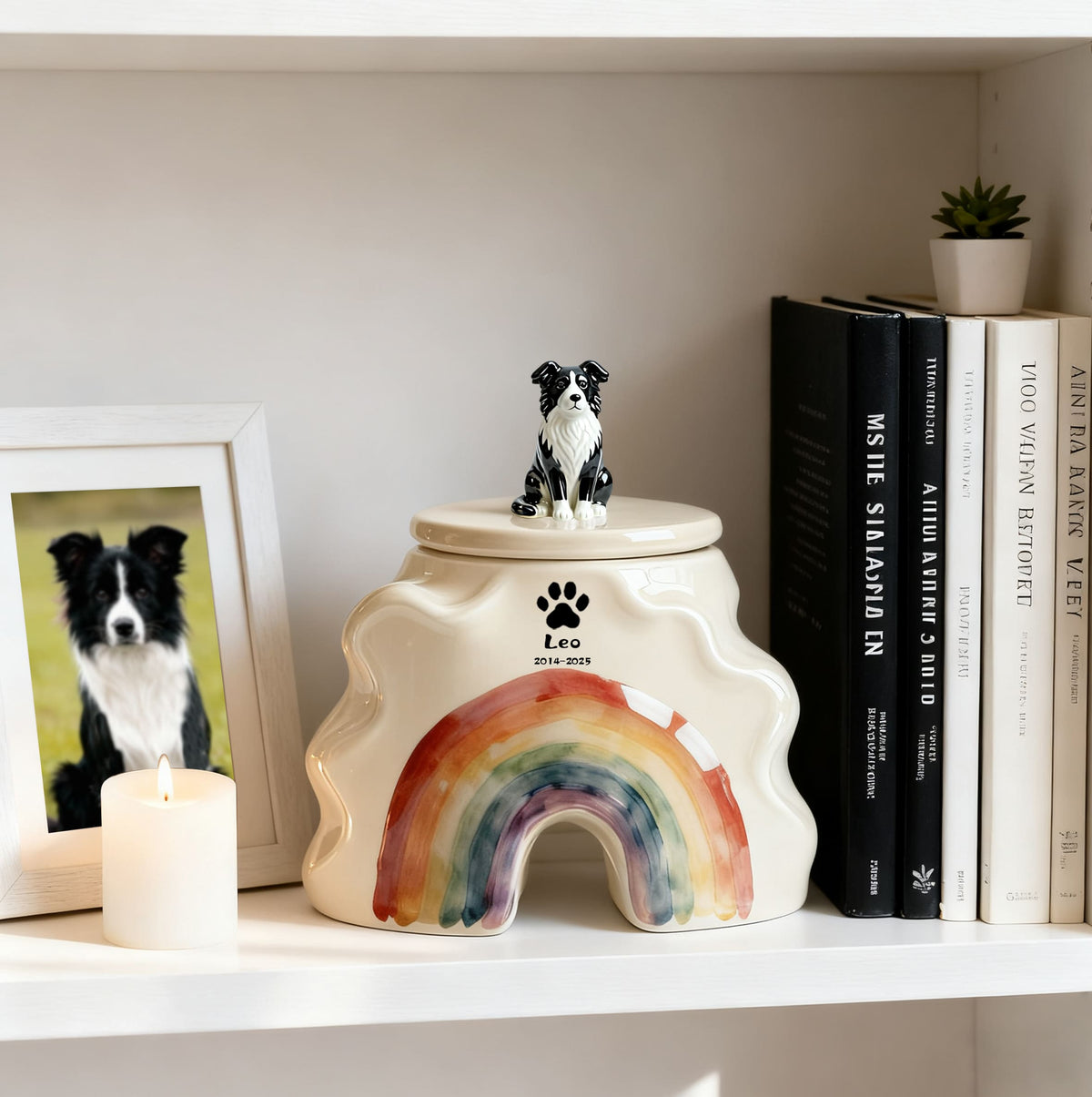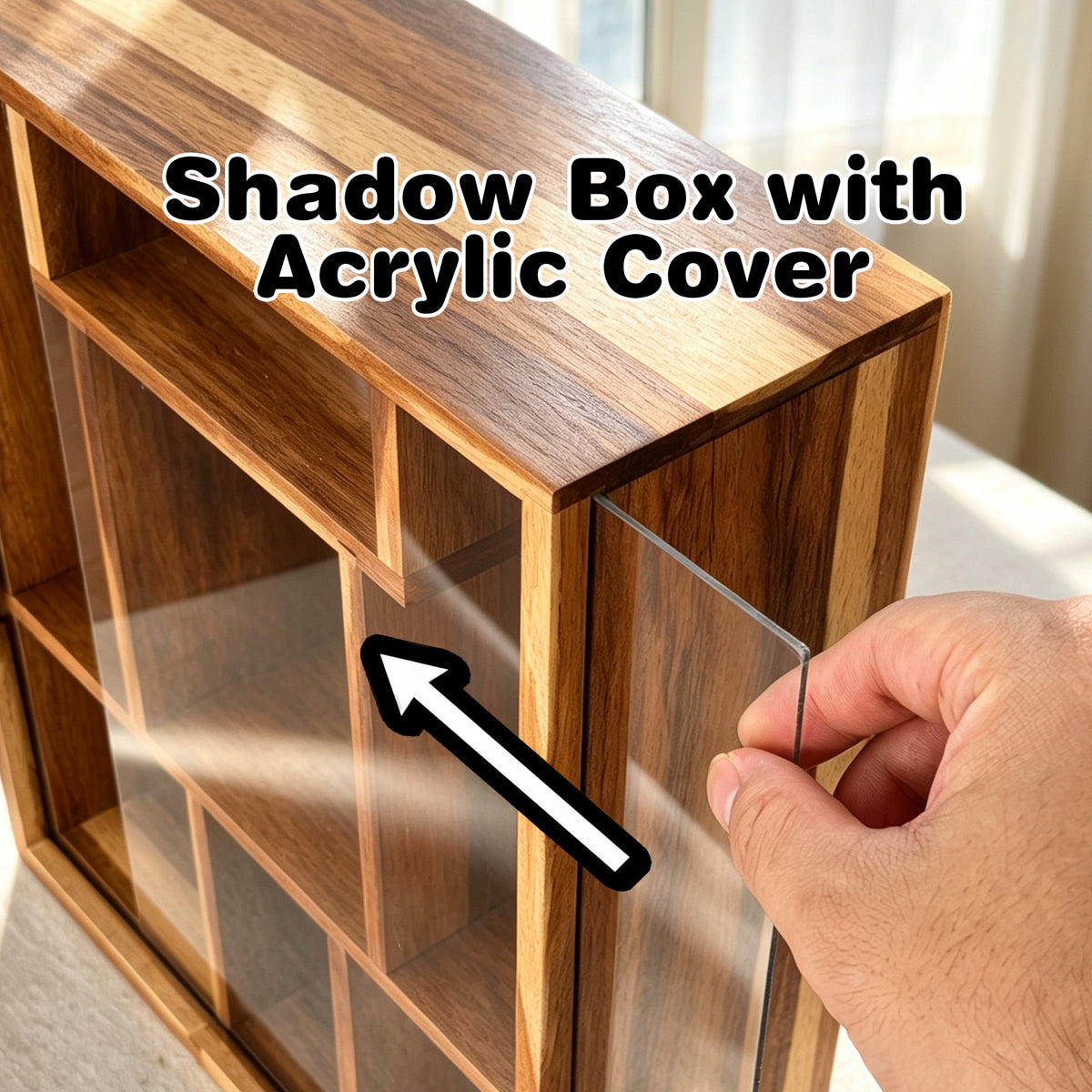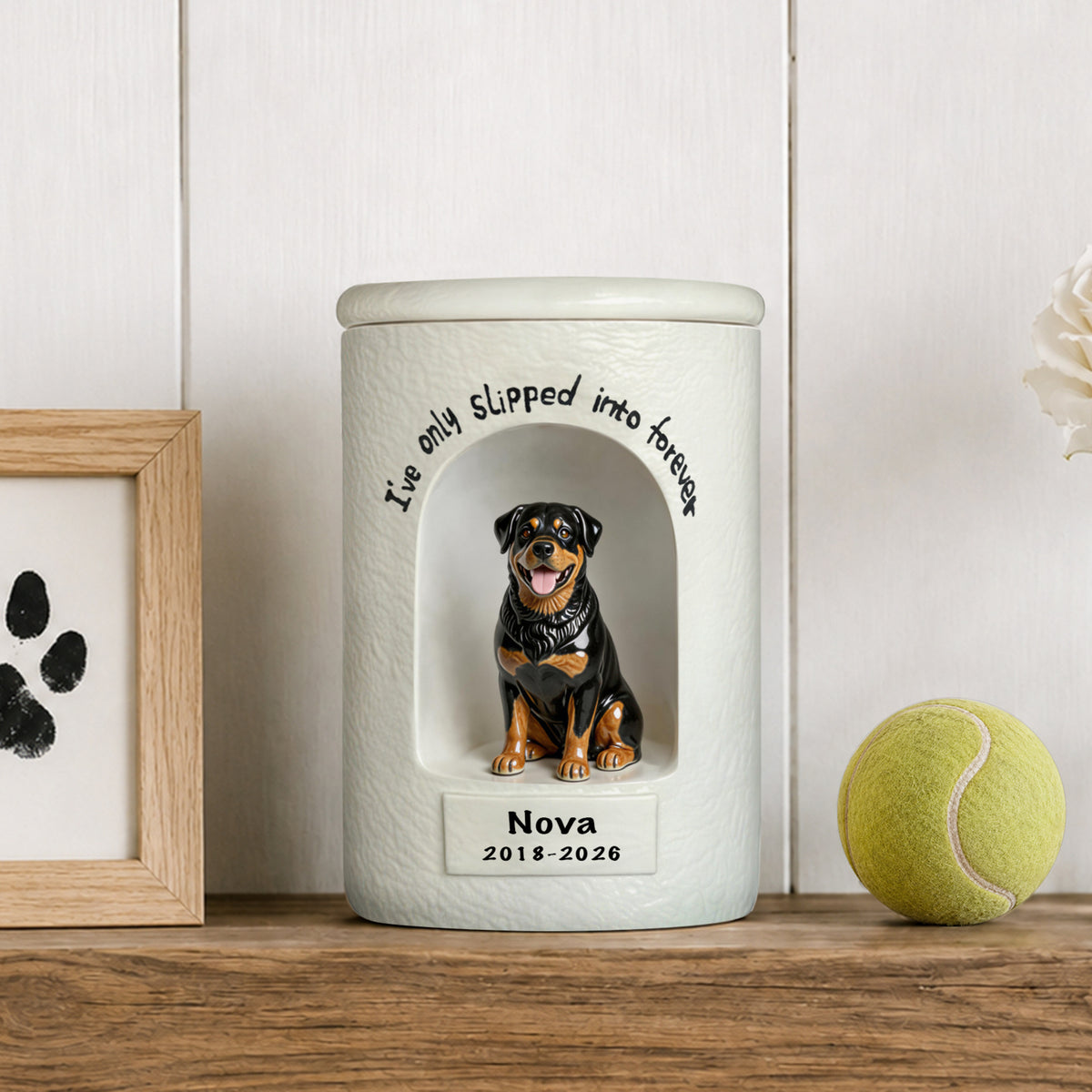

How a Custom Pet Urn Is Made (Photo to Sculpture to Approval)
From Photo to Sculpture and Approval: A Step-by-Step Guide
A custom pet urn is more than a product. It is a process carried out slowly, carefully, and personally.
For many pet parents, what matters is not only the finished memorial, but also feeling informed and supported along the way.
This guide explains the main stages of creating a custom ceramic pet urn, from submitting reference photos to reviewing the details and preparing the finished piece for shipping. The exact order of sculpting, painting, firing, and approval depends on the design and materials used.
Quick Answer
A custom ceramic pet urn typically involves photo review, hand sculpting, shaping the urn, drying and firing, hand painting, finishing, and secure packaging. Preview and approval stages may happen at several points during production and should be confirmed before work begins.
Shop Best-Selling Pet Memorials
Step 1. Send Photos and Personalization Details
Start by preparing:
- 3–5 clear photos of your pet, if available
- Your pet’s name, if you would like it included
- Your pet’s species and the urn size you need
- Notes about distinctive markings or features you would like reflected in the design
If your pet has a distinctive eye color, nose shape, or coat marking, include a photo that shows it clearly whenever possible. Let the maker know which details matter most to you.
Step 2. Review the Reference Photos
A useful reference photo does not need to be professionally taken. What matters most is whether it shows recognizable features clearly.
Helpful reference photos usually include:
- Natural lighting
- A clear view of the face
- Visible eye shape and ear position
- Coat colors and markings without heavy filters
- Different angles that show the body, legs, and tail where relevant
If you only have older or lower-quality photos, send them for review before ordering a detailed likeness. They may still provide useful information, but what can be recreated depends on the features and angles visible.
Identify which photo best represents your pet’s usual coloring, and explain any important details that are difficult to see.
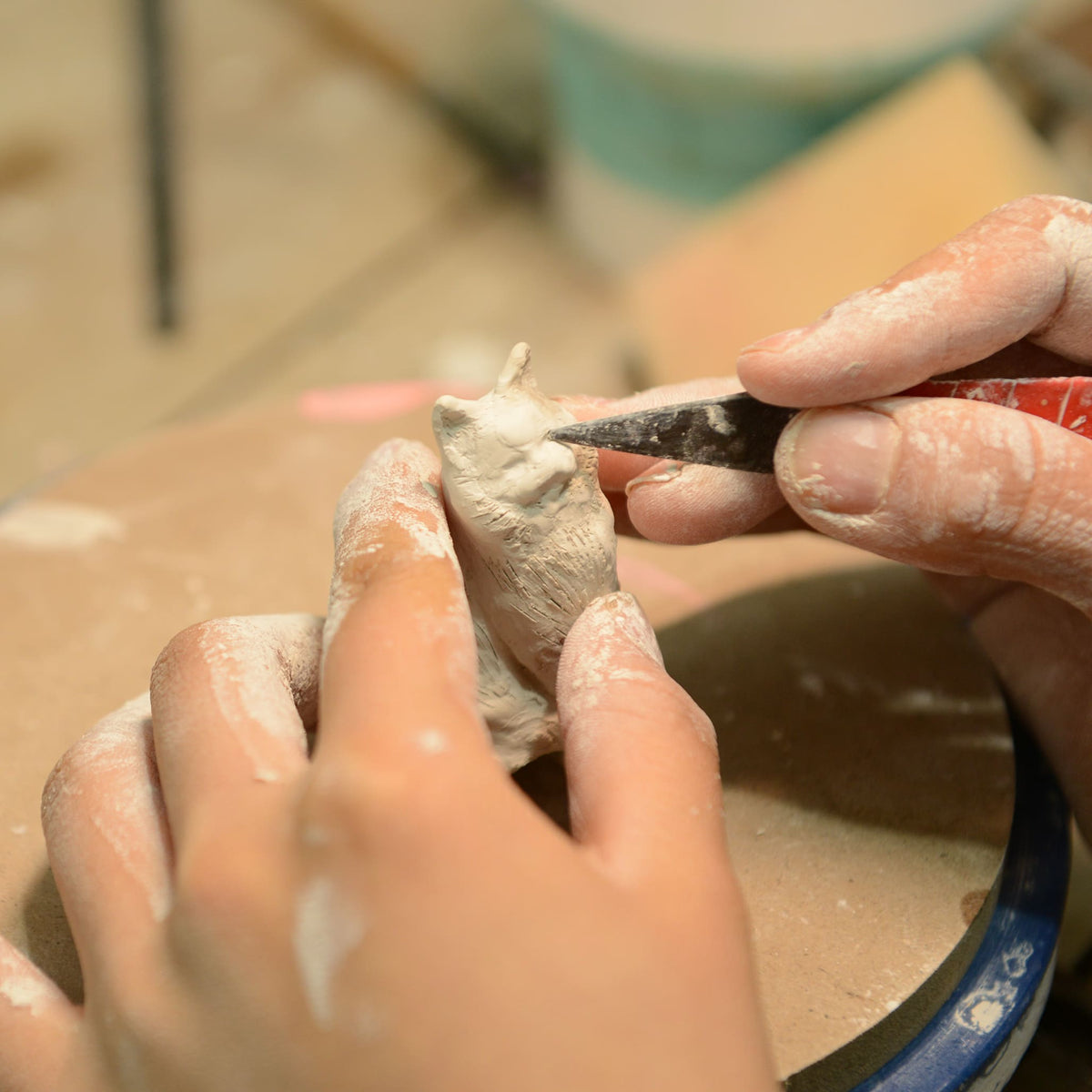
Step 3. Sculpt the Portrait by Hand
At this stage, the reference photos and confirmed details help guide the sculpted likeness.

A hand-sculpted portrait typically focuses on:
- Head shape
- Ear position
- Muzzle and nose shape
- A familiar expression and recognizable likeness
- Fur texture details, where the design allows
This stage can take many hours as the maker shapes and refines the individual features.
Step 4. Shape and Prepare the Urn Body
Depending on the design, the urn body is shaped and refined, with attention to:
- The overall form
- Surface details
- Proportion and balance
During this stage, the maker also checks:
- The fit of the lid or closure
- The size and usability of the opening
- The stability of the base
Because clay can change during drying and firing, the finished piece should be checked again before packaging.
Step 5. Allow the Clay to Dry
After shaping, the clay needs time to dry evenly before firing.
Drying too quickly or unevenly can lead to:
- Cracking
- Warping
- Weakened areas
Drying time depends on the clay, the thickness of the piece, and the surrounding conditions. This stage cannot simply be shortened to meet a faster production schedule.
Step 6. Fire the Piece in a Kiln
Once sufficiently dry, the piece is fired in a kiln using a temperature and schedule suited to the clay and intended finish.
Firing transforms the clay into a hard ceramic form. The number of firings depends on the materials and decorating process; some finishes require additional kiln stages.
Although fired ceramic is hard, it can still chip or break if dropped or struck, so careful handling remains important.
Step 7. Add Hand-Painted Details
Hand painting adds the colors and markings that help make the portrait recognizable.
Depending on the design, this may include:
- Blending coat colors
- Placing distinctive markings
- Adding nose and eye colors
- Applying subtle shading
The reference photos and confirmed notes guide these details. The order of painting, firing, and sealing varies with the materials and finish used.
Step 8. Complete the Finishing and Quality Checks
During finishing, the maker checks the piece for details such as:
- Overall proportions
- Surface finish and any unintended rough areas
- Lid or closure fit
- Base stability
- Paint coverage and any protective finish used
These checks help identify areas that need attention before the memorial is prepared for shipping.
Step 9. Review Your Preview and Confirm the Details
A custom memorial process may include preview and approval stages so you can review important details before the work moves forward.
Although described here as a separate step, reviews may happen earlier in production, depending on which details need approval.
Depending on the design and maker, this may include:
- Progress photos during sculpting or painting
- A chance to review specific details before the next production stage
- Final photos before shipping
- Minor adjustments where the materials and production stage allow
Before ordering, confirm when previews are provided, how long you have to respond, and which changes can be requested.
Changes to the shape should be discussed before firing, while painted details should be reviewed before any final coating that could limit further adjustments.
A preview helps you check the details rather than relying only on a description of the finished piece.
Step 10. Package the Memorial for Shipping
Ceramic can chip or break during transit, so packaging should support the piece and protect vulnerable details.
Depending on its shape and size, suitable packaging may include:
- Protective cushioning around the urn and sculpture
- Separate protection for removable parts
- Packing materials that limit movement inside the box
- A sturdy outer carton or double-boxing where appropriate
Ask the maker how the memorial will be packed and what to do if it arrives damaged. Protective packaging reduces risk, but it cannot guarantee damage-free delivery.
How Long Does the Process Take?
A custom ceramic memorial can take several weeks to complete. The timing depends on the design, the maker’s workload, the materials, and the number of review stages.
Production time includes more than sculpting. It may also involve:
- Photo review and clarification of details
- Shaping and refining the sculpture and urn
- Controlled drying
- Kiln firing and cooling
- Hand painting and finishing
- Preview responses and any agreed adjustments
- Final checks and packaging
Check the current production estimate for your chosen design before ordering. Shipping time is separate, so confirm both if you are hoping to receive the memorial by a particular date.
What to Look for in a Custom Memorial Process
Alongside the finished design, consider whether the maker offers:
- Clear communication about the design and available personalization
- A review of whether your photos can support the requested likeness
- Realistic production and shipping estimates
- Clearly explained preview and approval stages
- Information about which adjustments are possible and when
- Careful finishing and protective packaging
- Clear instructions for reporting damage or a production issue
You should feel comfortable asking questions and understand what will happen before each important stage moves forward.
For a closer look at the steps after ordering, read our guide on what happens after you order a custom pet urn, from photo submission to the finished memorial.
Frequently Asked Questions
1. What photos should I send for a custom pet urn?
Prepare 3–5 clear photos if available, including a front or three-quarter view, a side view, and images of distinctive markings. Natural lighting and unfiltered originals are helpful for showing colors and proportions.
2. Can older or lower-quality photos be used?
Often, yes. Older or slightly blurry photos may still show useful features, but suitability depends on what is visible and the design you choose. Have your references reviewed before ordering a detailed likeness.
3. Is the pet portrait sculpted by hand?
The process described in this guide is for a hand-sculpted ceramic portrait. Production methods vary, so check the individual product description to confirm how a particular memorial is made and decorated.
4. How long does a custom pet urn take?
A custom ceramic memorial can take several weeks because production includes sculpting, drying, firing, painting, and finishing. Check the current estimate for your chosen design, and allow additional time for shipping and any agreed revisions.
5. Will I receive a preview before shipping?
Preview arrangements vary by maker and design. Before ordering, confirm when photos will be provided, which details you can review, and whether your approval is required before the next production stage.
6. Can I request changes?
Some adjustments may be possible, depending on the materials and production stage. Shape changes should be discussed before firing, and painted details before final finishing. Confirm the revision process and any limitations before ordering.
7. Is ceramic suitable for long-term memorial use?
Ceramic can be suitable for long-term indoor display when handled and stored carefully. It can still chip or break if dropped or struck, so choose a stable location and follow the maker’s care instructions.
8. Can a ceramic urn be shipped safely?
Protective cushioning, secure positioning, and a sturdy carton can reduce the risk of damage during shipping. No packaging can eliminate that risk entirely, so confirm how the urn will be packed and how to report any damage on arrival.
9. Can the urn fit naturally into my home?
Many designs are intended for display alongside photos and keepsakes. Consider the urn’s dimensions, colors, style, and base stability when choosing a place for it.
10. What if I am not ready to order?
You can take your time. Start by exploring designs, gathering reference photos, or asking questions about the process. There is no need to make a decision before you feel ready.
Browse All Pet Memorial Designs
Continue Reading
If you would like more guidance, these pages may help:
-
Ceramic vs Wood vs Metal Pet Urns
A comparison of materials, appearance, and practical considerations for home display. -
Why Custom Pet Urns Cost More
A look at the time, craftsmanship, portrait details, and packaging involved. -
Pet Urn Size Guide: Dog & Cat Capacity Chart
Guidance on capacity and the measurements to check before ordering. -
How to Choose a Pet Urn
A practical checklist for comparing sizes, materials, and personalization options.
A Personal Memorial, One Step at a Time
A custom memorial takes shape through a series of careful decisions, from choosing reference photos to reviewing the details and preparing the finished piece for your home.
Understanding the process can help you ask questions, set realistic expectations, and choose a memorial that feels connected to the pet you remember.
Best Selling Pet Memorials & Keepsakes